How Creators and Influencers Can Protect Their Intellectual Property
Understand copyright, trademark, and contract strategies to protect your content, brand name, and creative work. Written for independent creators and digital entrepreneurs.
Researched & verified against official statutes (GDPR, CCPA, CUTSA). Reviewed for clarity & accuracy.
Why Intellectual Property Protection Is Critical for Creators
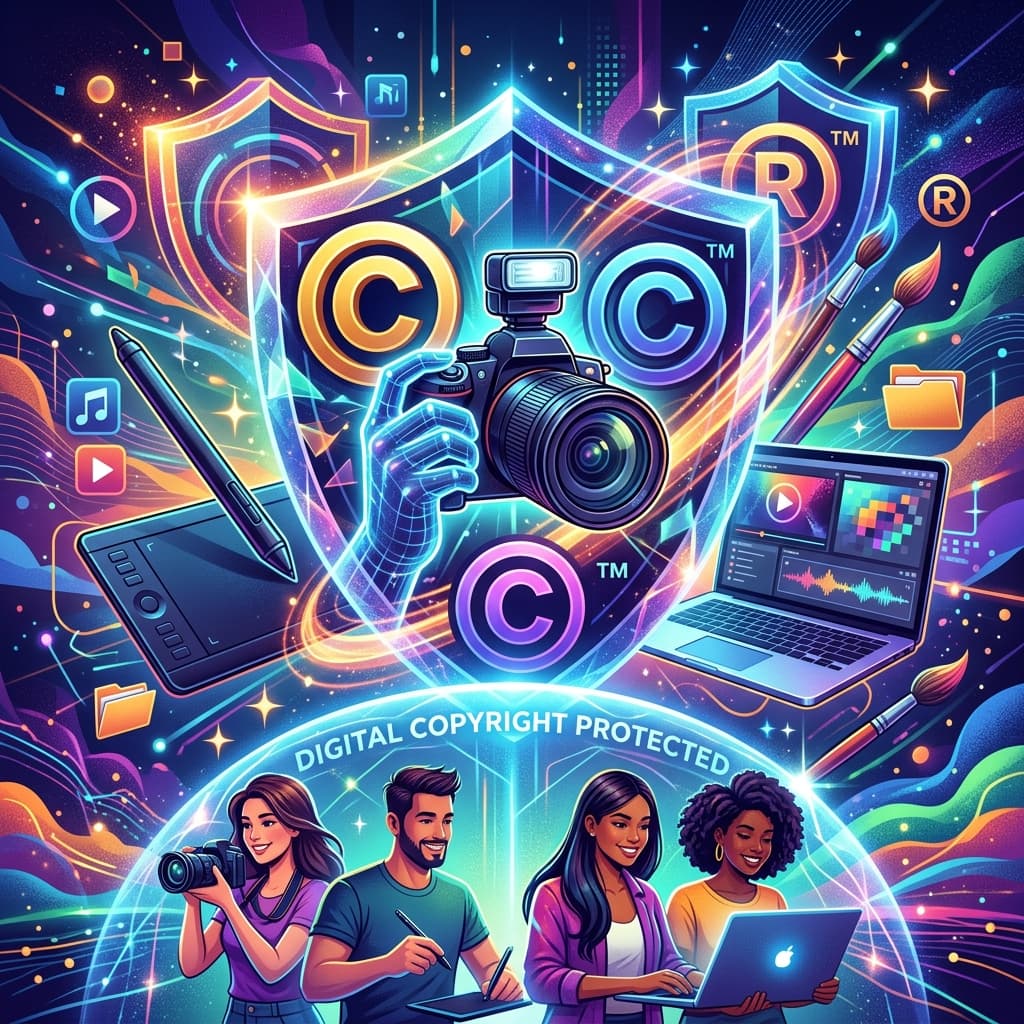
Content creators, influencers, musicians, artists, and digital entrepreneurs generate intellectual property every day — but very few have the legal protections in place to defend it. Without proper IP protection, your brand name can be registered by someone else, your original content can be reproduced and monetised without your permission, brands can use your image or likeness without compensation, and collaborators can claim ownership of work you created together. IP law provides the legal framework to prevent all of these scenarios, but only if you take proactive steps to register and enforce your rights.
Copyright: Your First Line of Protection
Copyright protection attaches automatically to original creative works at the moment of creation. This includes written content, photographs, videos, music, illustrations, and digital art. You do not need to register copyright for it to exist. However, registering your copyright with the relevant national authority (the US Copyright Office, for example) gives you the ability to claim statutory damages and legal fees in an infringement lawsuit, which makes enforcement vastly more practical and affordable. Always include a copyright notice on your published work and watermark images where practical.
Trademark: Protecting Your Brand Identity
A trademark protects your brand name, logo, tagline, and other distinctive identifiers. Unlike copyright, trademark protection is not automatic — you must register it. A registered trademark gives you the exclusive right to use your brand in your registered categories, the ability to prevent others from using confusingly similar names or logos, and grounds to have infringing accounts removed from social platforms. As a creator, register your channel name, brand name, and logo as trademarks before you scale. Once your audience is large, squatters and copycats become a serious problem.
Protecting Your Work in Brand Partnerships
When working with brands as an influencer or content creator, always negotiate and sign a written collaboration agreement or formal Sponsorship Agreement before creating any content. You can also customize our free Influencer Contract Template or Web Design Contract Template for creative projects. The agreement should specify who owns the content you create (you or the brand), what usage rights the brand receives and for how long, whether the brand can modify or repurpose your content, your exclusivity obligations (can you work with competing brands?), payment terms and deliverables, and FTC disclosure requirements. Without a written agreement, brands may claim ownership of content you created, or use your likeness in paid advertising campaigns without additional compensation.
Protecting Your Work Online
Use DMCA takedown notices to remove stolen content from websites and platforms. File reports through YouTube's Content ID, Instagram's IP reporting tool, and Google's DMCA tool for search results. Include clear website terms and conditions stating what uses of your content require permission. If another party has infringed your intellectual property or breached a licensing deal, send a formal Cease and Desist Letter or Demand Letter to demand immediate removal and compensation.
Generate Your Creator Legal Documents Free
ClauseKit offers free generators for content creator agreements, sponsorship agreements, NDAs for creative pitches, and freelance service contracts for creator partnerships. Protect your work before you create, not after someone steals it.
Frequently Asked Questions
Related Free Legal Tools
Generate custom legal documents relevant to this guide in under 2 minutes. Free PDF & Word download.
Joint Venture Agreement
Legally structure a joint venture between two or more businesses, defining goals, contributions, and profit sharing.
Partnership Agreement
Define roles, profit sharing, and responsibilities between business partners with a clear partnership agreement.
Sponsorship Agreement
Define sponsor obligations, benefits, exclusivity, and payment terms for event, sports, or influencer sponsorships.
Content Creator Agreement
Protect your brand and your creators with a contract covering content rights, deliverables, compensation, and usage.
Free Legal Tools
Ready to protect your business?
Use ClauseKit's free generators to create professional document templates in minutes. No account needed, no credit card required.
Continue Learning
7 Clauses Every Freelance Contract Must Have to Protect You
Discover the seven essential clauses that separate a watertight freelance contract from a document that leaves you unpaid and legally exposed. Free template included.
Why a Clear Refund Policy Builds Trust and Reduces Disputes
A well-written refund policy reduces chargebacks, prevents customer disputes, and is legally required in most jurisdictions. Learn what yours must include and what to avoid.