CCPA Compliance Guide for US Businesses | What You Must Do in 2025
A plain-English guide to California Consumer Privacy Act compliance. Covers who it applies to, what rights consumers have, and the privacy policy disclosures you must make.
Researched & verified against official statutes (GDPR, CCPA, CUTSA). Reviewed for clarity & accuracy.
What Is the CCPA and Who Does It Apply To?
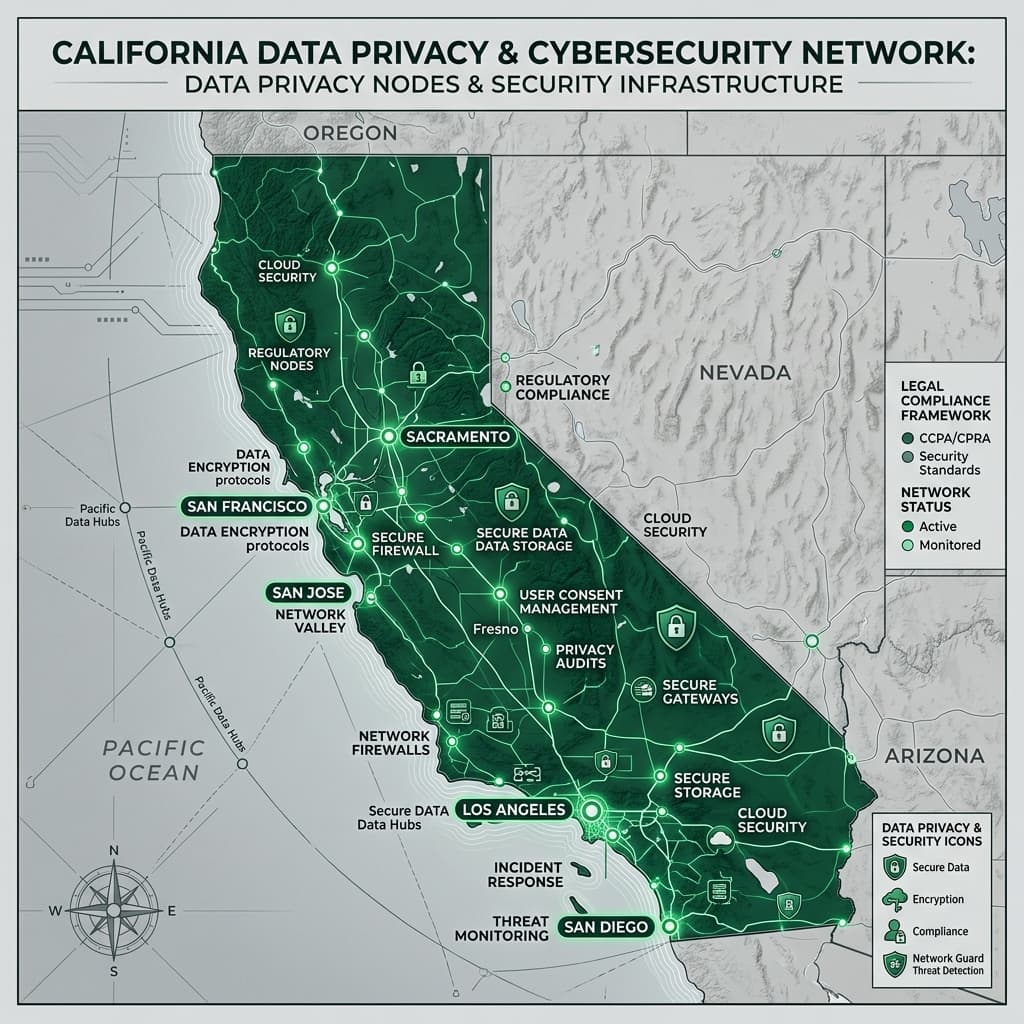
The California Consumer Privacy Act (CCPA), effective January 1, 2020 and significantly expanded by the California Privacy Rights Act (CPRA) in 2023, is the most comprehensive US state-level data privacy law. It applies to for-profit businesses that collect personal information from California residents and meet at least one of the following thresholds: annual gross revenues exceeding $25 million, buying, selling, or sharing the personal information of 100,000 or more consumers or households per year, or deriving 50% or more of annual revenues from selling or sharing consumers' personal information. Even if your business is based outside California, CCPA applies if you serve California residents.
What Rights Does CCPA Give Consumers?
Under CCPA and CPRA, California residents have the right to know what personal information a business collects about them, the right to delete their personal information (with exceptions), the right to opt out of the sale or sharing of their personal information, the right to correct inaccurate personal information, the right to limit the use of sensitive personal information, and the right to non-discrimination for exercising any of these rights. Businesses must respond to consumer requests within 45 days.
CCPA Compliance Checklist
Update Your Privacy Policy
Your privacy policy must disclose the categories of personal information you collect, the purposes for which you use it, the categories of third parties with whom you share it, and a description of consumers' CCPA rights with instructions on how to exercise them. It must be updated at least annually and accessible from your homepage.
Add a "Do Not Sell or Share My Personal Information" Link
If you sell or share personal information (including sharing data with advertising platforms like Google or Meta for targeted advertising), you must display a clear and conspicuous "Do Not Sell or Share My Personal Information" link on your homepage. Clicking this link must take users to an opt-out mechanism that actually works.
Establish a Consumer Request Process
You must provide at least two methods for consumers to submit requests — typically a web form and a toll-free telephone number. You must verify consumer identity before fulfilling deletion or access requests. Maintain records of all requests received and your responses for at least 24 months.
Review Data Sharing with Third Parties
Audit all third-party data sharing relationships. Under CPRA, sharing data for cross-context behavioural advertising counts as "sharing" even if you receive no direct payment. This means most businesses using Facebook Pixel, Google Ads remarketing, or similar tools technically share personal information under CCPA and must provide opt-out rights.
CCPA Penalties
The California Privacy Protection Agency (CPPA) can impose fines of up to $2,500 per unintentional violation and $7,500 per intentional violation. Data breaches involving certain categories of personal information also expose businesses to a private right of action of $100 to $750 per consumer per incident, regardless of whether actual damages occurred.
Generate Your CCPA-Compliant Privacy Policy Free
ClauseKit's privacy policy generator includes CCPA-specific disclosures covering consumer rights, opt-out mechanisms, and data sharing practices. Download in minutes, no account required.
Frequently Asked Questions
Related Free Legal Tools
Generate custom legal documents relevant to this guide in under 2 minutes. Free PDF & Word download.
Privacy Policy Generator
Create a privacy policy addressing GDPR, CCPA, and CalOPPA requirements for your website or app in minutes.
Terms of Service Generator
Build professional terms of service for your website, app, or SaaS. Protect your IP and limit liability.
Cookie Policy Generator
Create a cookie policy for your website. Covers GDPR, EU Cookie Law, and ePrivacy Directive requirements.
Service Level Agreement (SLA)
Define service quality standards, uptime commitments, support response times, and remedies in a professional SLA.
Free Legal Tools
Ready to protect your business?
Use ClauseKit's free generators to create professional document templates in minutes. No account needed, no credit card required.
Continue Learning
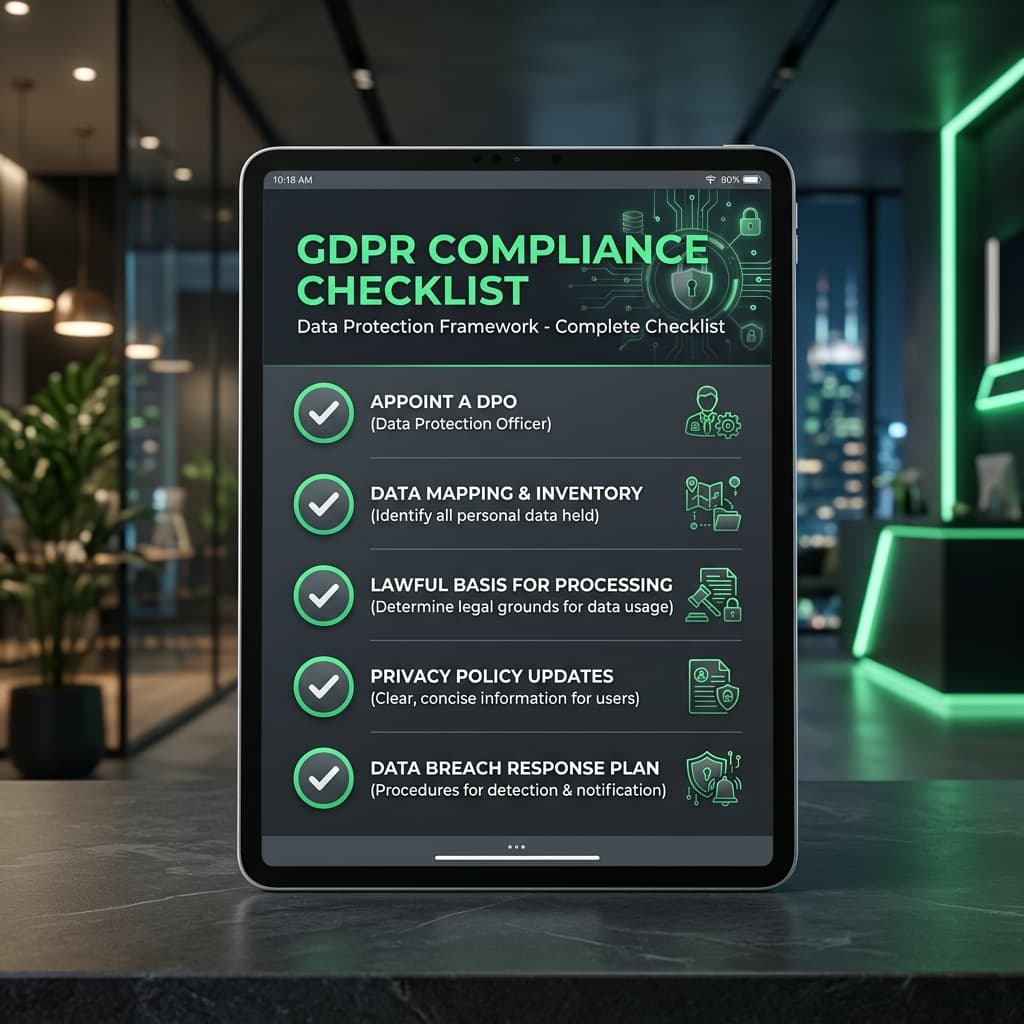
The Ultimate 2025 GDPR Compliance Checklist for Websites & SaaS
Comprehensive 2025 GDPR compliance guide covering Articles 6, 13, 17, 28, and 33. Learn exact data subject rights, DPA requirements, cookie consent rules, and statutory proof.
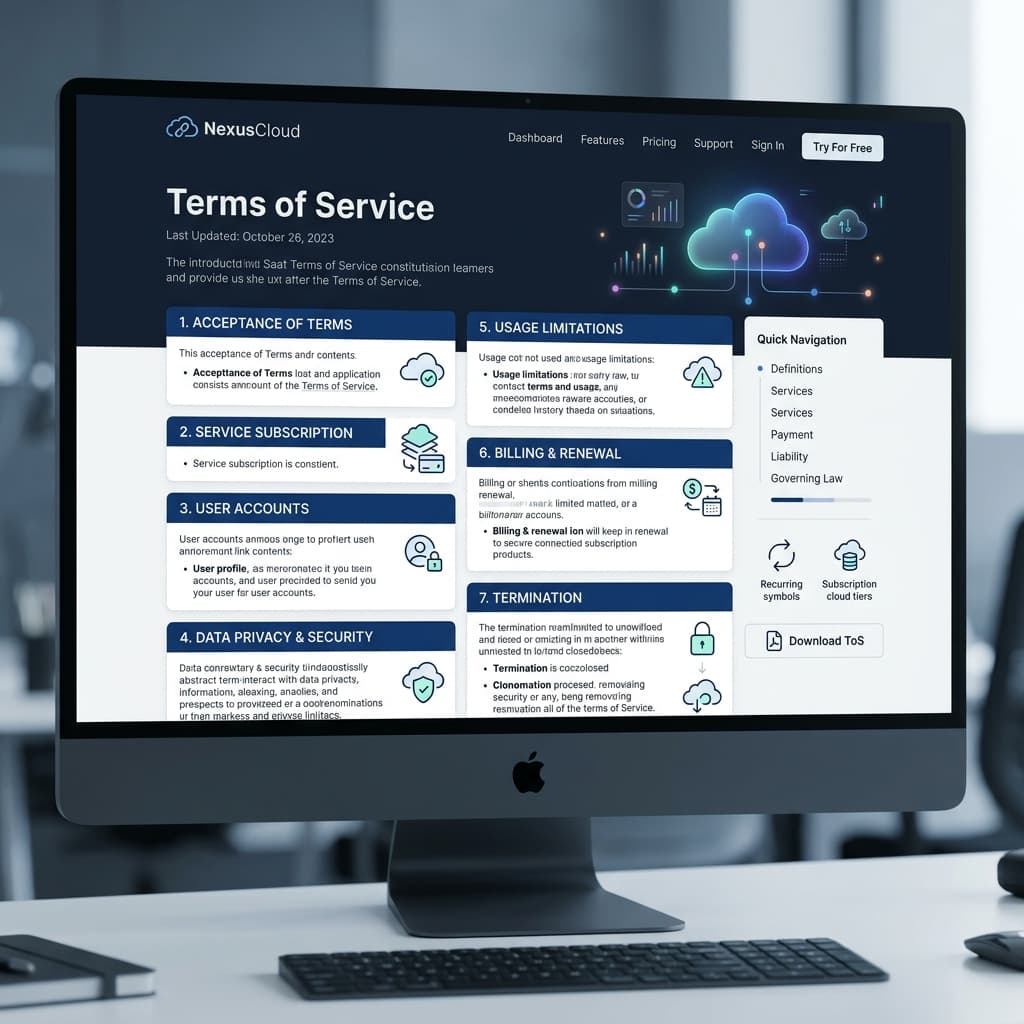
How to Write Terms of Service for a SaaS Product | Full Guide
A practical guide to drafting SaaS terms of service that cover subscription billing, data handling, API usage, uptime commitments, and limitation of liability clauses.