How to Write Terms of Service for a SaaS Product | Full Guide
A practical guide to drafting SaaS terms of service that cover subscription billing, data handling, API usage, uptime commitments, and limitation of liability clauses.
Researched & verified against official statutes (GDPR, CCPA, CUTSA). Reviewed for clarity & accuracy.
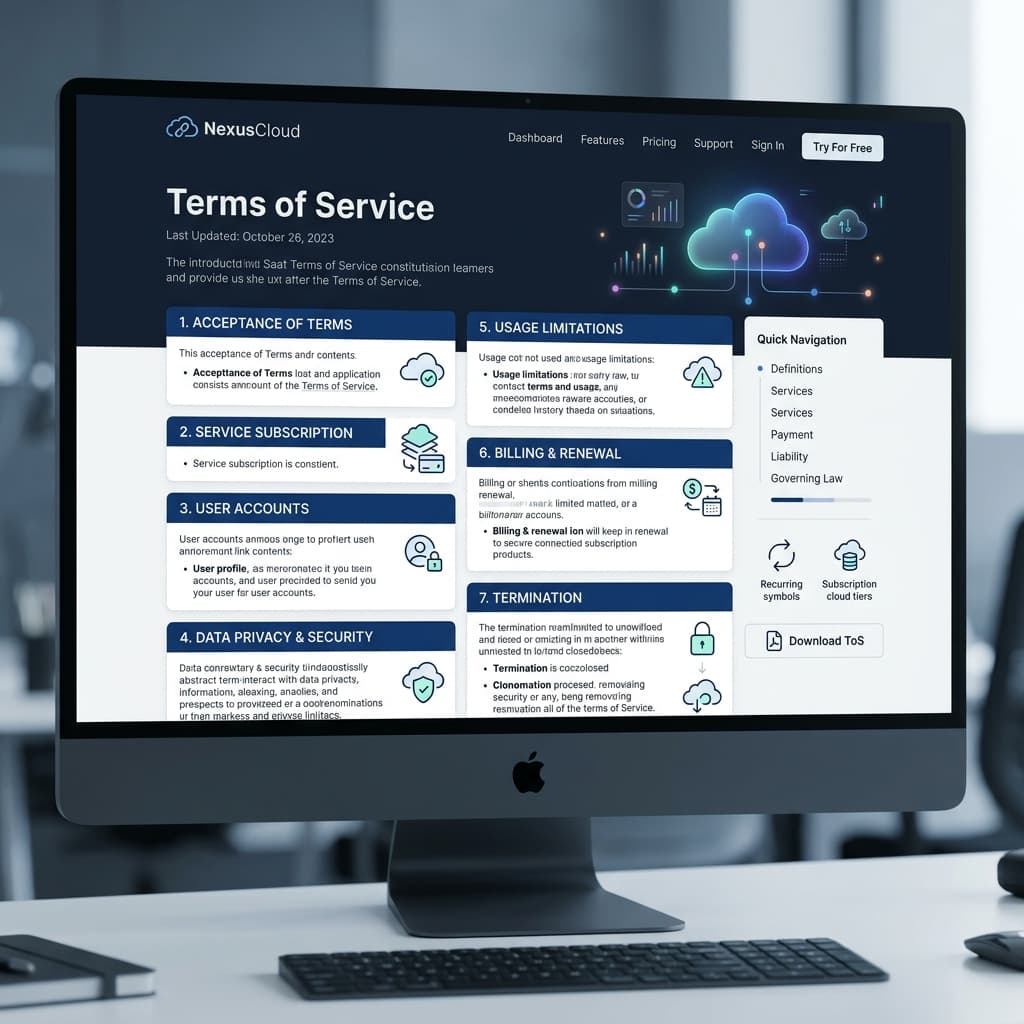
Why SaaS Terms of Service Are Different from Standard Website Terms
A generic terms of service template designed for a marketing website will not adequately protect a SaaS product. SaaS businesses have unique legal exposure points: subscription billing disputes, uptime and availability claims, API usage and rate limiting, data processing responsibilities, multi-user account management, and intellectual property in user-generated content. Each of these requires specific clauses that standard templates simply do not include.
Without a comprehensive SaaS-specific terms of service, your business is exposed to chargebacks and refund disputes with no documented policy to reference, liability claims from users who experience downtime, intellectual property disputes over user-generated content, and regulatory penalties for inadequate data handling disclosures.
Essential Sections of a SaaS Terms of Service
Subscription and Billing Terms
Clearly define your pricing tiers, billing cycles (monthly/annual), what triggers an automatic renewal, how and when prices can change, cancellation terms, and your refund policy. Be explicit about whether you offer pro-rata refunds for annual plans cancelled mid-cycle, or no refunds after a certain period. Vague billing terms are the leading cause of SaaS chargebacks and payment disputes.
Acceptable Use Policy
Define what users can and cannot do with your platform. Include prohibitions on using the service for illegal activities, sending spam, attempting to reverse-engineer the software, sharing login credentials, or exceeding API rate limits. State clearly what happens when a user violates the AUP — typically suspension or termination of their account without refund.
Service Level Agreement (SLA) and Uptime Commitments
If you make any uptime claim (even informally in marketing materials), your ToS must define how uptime is calculated, what constitutes scheduled vs unscheduled downtime, what remedies (if any) users receive for SLA breaches, and what is excluded from uptime guarantees (force majeure, third-party service failures). For enterprise clients demanding contractual availability guarantees, you should execute a dedicated Service Level Agreement (SLA). Never promise 100% uptime unless you can actually deliver and have the infrastructure to back it up.
Intellectual Property Ownership
State that you retain all IP in your software, design, and brand. Grant users a limited, non-exclusive, non-transferable licence to use the service during their subscription period. If you distribute downloadable software, desktop clients, or mobile apps alongside your web service, pair your terms with a formal Software License Agreement (EULA). Clarify who owns user-generated content and data uploaded to your platform. Most SaaS agreements state that users retain ownership of their data but grant you a limited licence to process and store it in order to provide the service.
Data Processing and Privacy
Your ToS must reference your privacy policy and, for B2B SaaS products with EU customers, offer a Data Processing Agreement (DPA). Generate your compliance documentation using our dedicated SaaS Privacy Policy Generator. Specify where user data is stored (data residency), how long it is retained after account termination, and whether users can export their data before cancelling.
Limitation of Liability
This is the most commercially important clause in your ToS. Cap your liability at the amount the user paid in the last 12 months (or a fixed sum). Exclude liability for indirect damages including lost profits, lost data, or business interruption. Without an enforceable liability cap, a single enterprise customer lawsuit could threaten the entire business.
Termination Provisions
Specify the conditions under which you can terminate an account (AUP violation, non-payment, extended inactivity), the notice period for voluntary cancellation, and what happens to user data after termination. Many SaaS businesses offer a 30-day data export window after cancellation before permanently deleting account data.
Jurisdiction and Governing Law
State which country or state's laws govern your ToS. For a globally available SaaS, choose the jurisdiction where your company is incorporated. Include a dispute resolution clause specifying binding arbitration for smaller disputes and courts of your chosen jurisdiction for larger claims. An arbitration clause can save you hundreds of thousands of dollars in legal fees compared to allowing users to sue you in their local courts worldwide.
Generate Your SaaS Terms of Service Free
ClauseKit's free terms of service generator and specialized SaaS Platform Terms Generator cover all the essential provisions for software businesses — billing, AUP, IP ownership, liability caps, and data handling. Customise it to your product and download in minutes, no account required.
Frequently Asked Questions
Related Free Legal Tools
Generate custom legal documents relevant to this guide in under 2 minutes. Free PDF & Word download.
Privacy Policy Generator
Create a privacy policy addressing GDPR, CCPA, and CalOPPA requirements for your website or app in minutes.
Terms of Service Generator
Build professional terms of service for your website, app, or SaaS. Protect your IP and limit liability.
Cookie Policy Generator
Create a cookie policy for your website. Covers GDPR, EU Cookie Law, and ePrivacy Directive requirements.
Service Level Agreement (SLA)
Define service quality standards, uptime commitments, support response times, and remedies in a professional SLA.
Free Legal Tools
Ready to protect your business?
Use ClauseKit's free generators to create professional document templates in minutes. No account needed, no credit card required.
Continue Learning
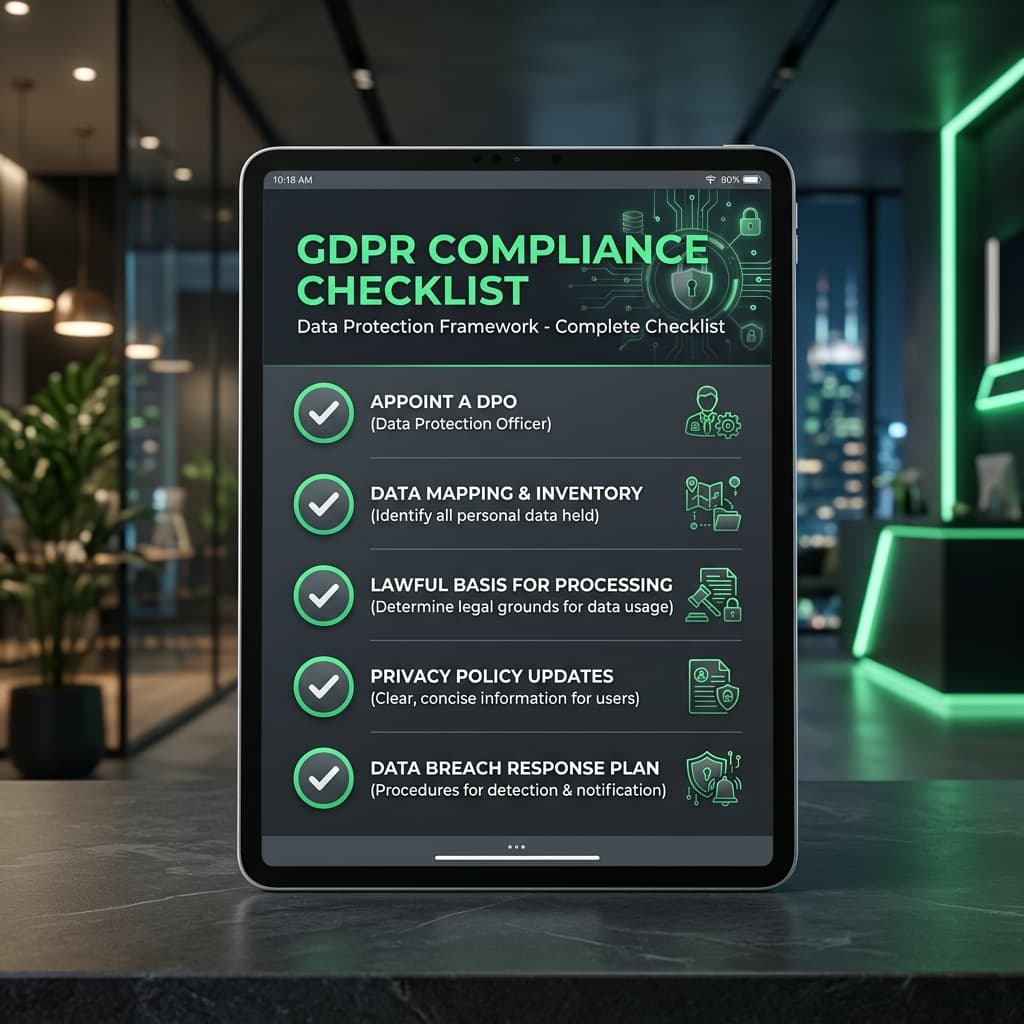
The Ultimate 2025 GDPR Compliance Checklist for Websites & SaaS
Comprehensive 2025 GDPR compliance guide covering Articles 6, 13, 17, 28, and 33. Learn exact data subject rights, DPA requirements, cookie consent rules, and statutory proof.
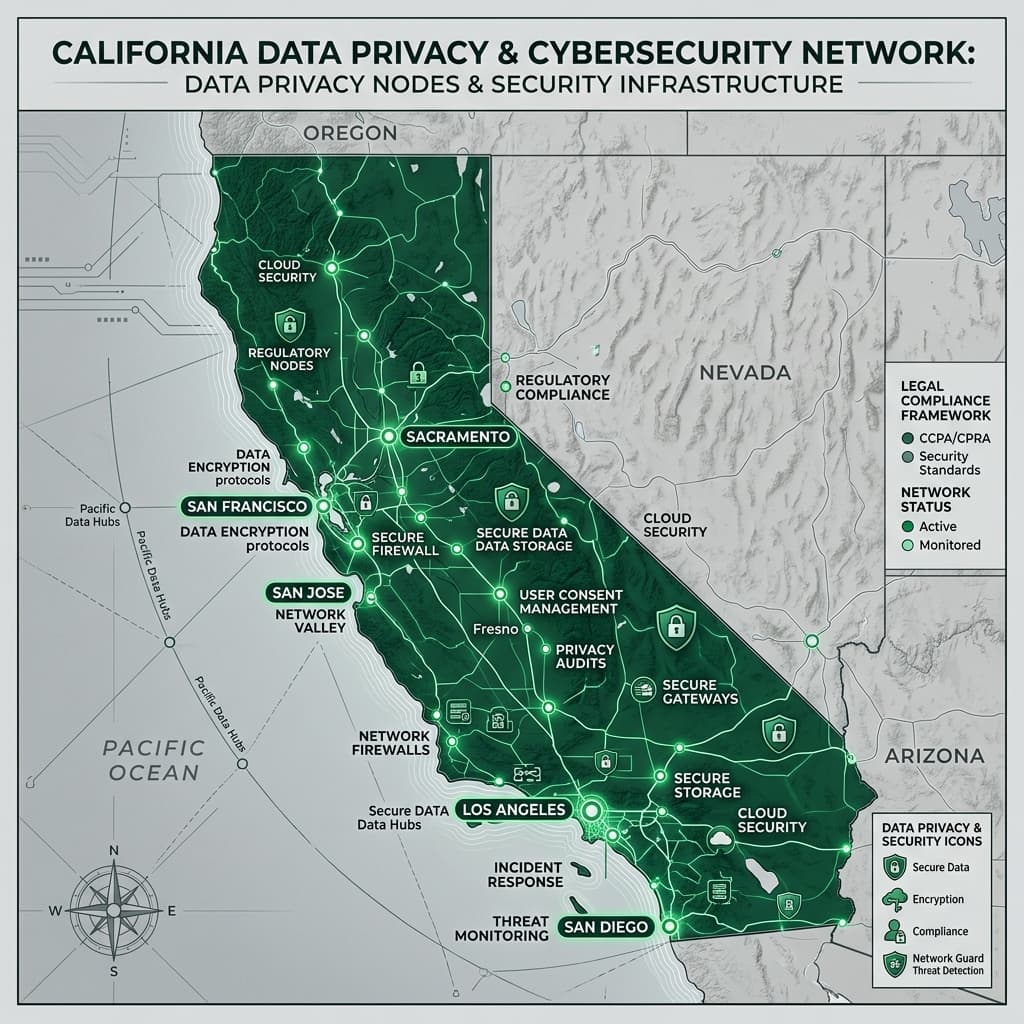
CCPA Compliance Guide for US Businesses | What You Must Do in 2025
A plain-English guide to California Consumer Privacy Act compliance. Covers who it applies to, what rights consumers have, and the privacy policy disclosures you must make.